
Pioneer in Eye-Movement Research & Reading Science
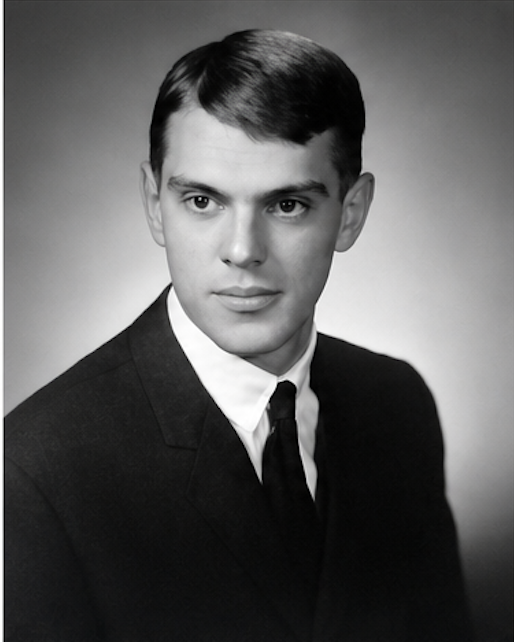
Keith Rayner
Keith Rayner (1943 - 2015) was an American cognitive psychologist whose pioneering research transformed the scientific understanding of reading, eye movements, and visual cognition. He is widely recognized as one of the founders of modern eye-tracking research, developing experimental methods that revealed how readers process visual information in real time. His work influenced psychology, neuroscience, education, psycholinguistics, human-computer interaction, typography, accessibility, and eye-tracking technology.
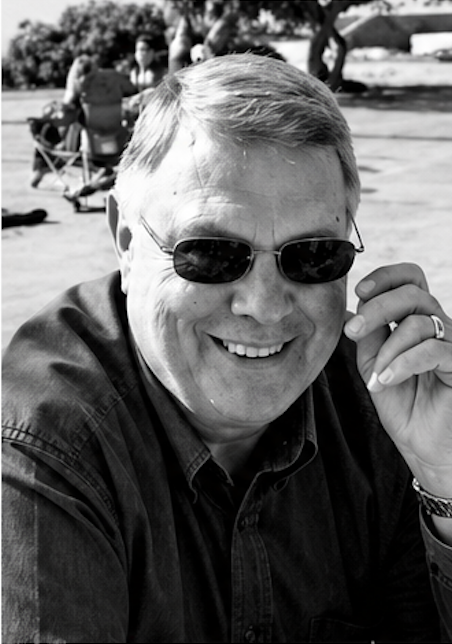
Early Life and Education
Rayner earned a Bachelor of Science in Psychology from the University of Utah in 1968, followed by a Master of Science in Educational Psychology in 1970. During this period he developed an interest in experimental approaches to understanding reading and visual perception.
Year Milestone
1968 B.S. Psychology, University of Utah
1970 M.S. Educational Psychology, University of Utah
1974 Ph.D. Cognitive Psychology, Cornell University
He completed his Doctor of Philosophy in Cognitive Psychology at Cornell University in 1974. While at Cornell, Rayner worked with George McConkie on the development of innovative eye-contingent display techniques that enabled researchers to precisely manipulate what readers could see while their eye movements were being recorded. These experimental methods became foundational to modern eye-tracking research and significantly expanded scientists' ability to investigate reading as a real-time cognitive process.
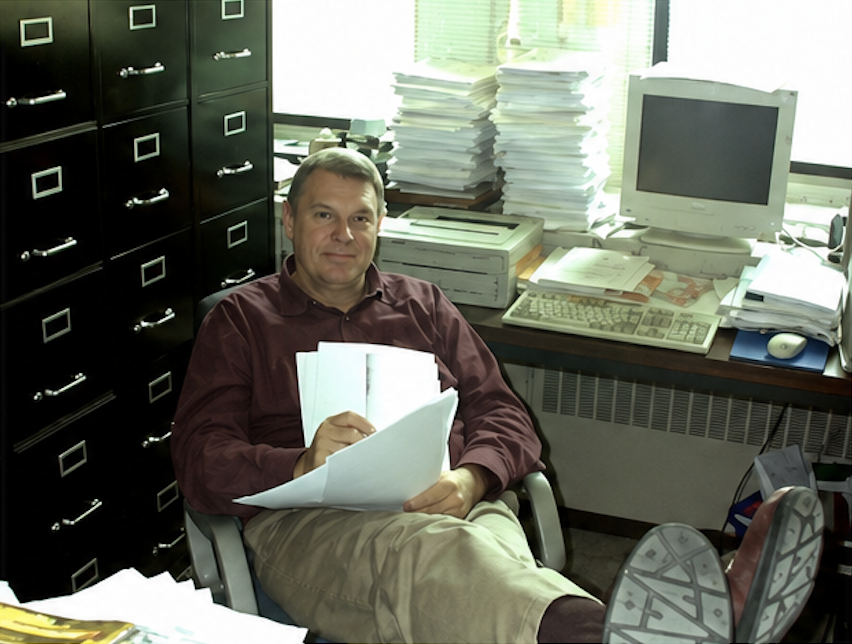
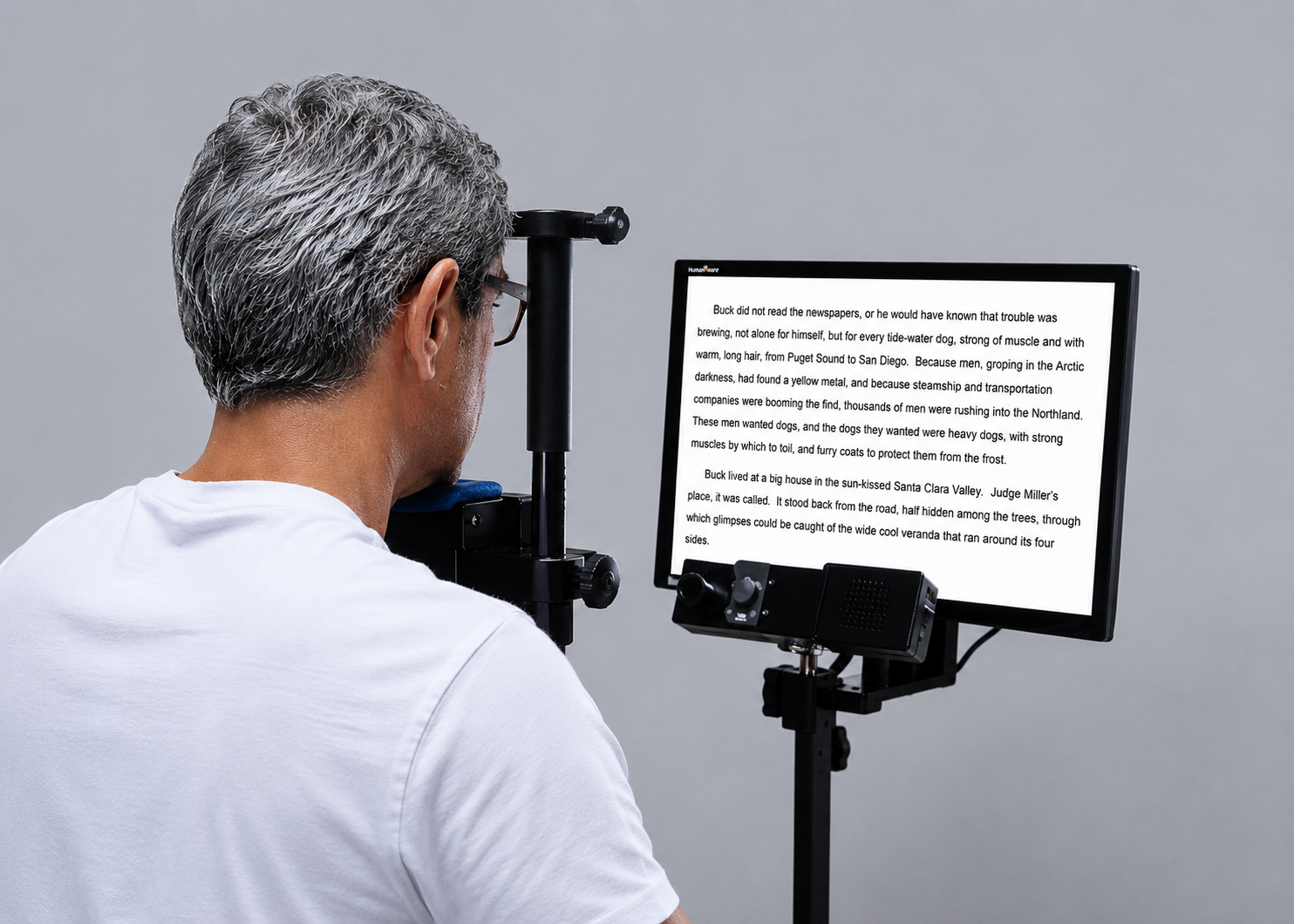
His research established fundamental principles of reading, including perceptual span, parafoveal processing, fixation control, and visual attention. He also helped develop the influential E-Z Reader model of eye-movement control during reading.
Rayner's studies demonstrated that abnormal eye movements in dyslexia are primarily a consequence—not the cause—of language-processing difficulties, helping shift research toward evidence-based reading instruction. His methodologies were also applied to research on autism, language development, and visual attention.
Beyond reading science, his work laid the foundation for modern eye-tracking applications in usability testing, user experience (UX), marketing, consumer behavior, interface design, accessibility, educational technology, transportation safety, and human-computer interaction.
His publications continue to rank among the most frequently cited in cognitive psychology and reading research. The students and postdoctoral researchers he trained now lead research programs throughout North America, Europe, and Asia, extending his influence across multiple generations of scholarship.
Rayner served as Editor-in-Chief of the Journal of Experimental Psychology: Learning, Memory, and Cognition and as Editor of Psychological Review. He received numerous international honors recognizing his scientific contributions, mentorship, and lifetime achievements.
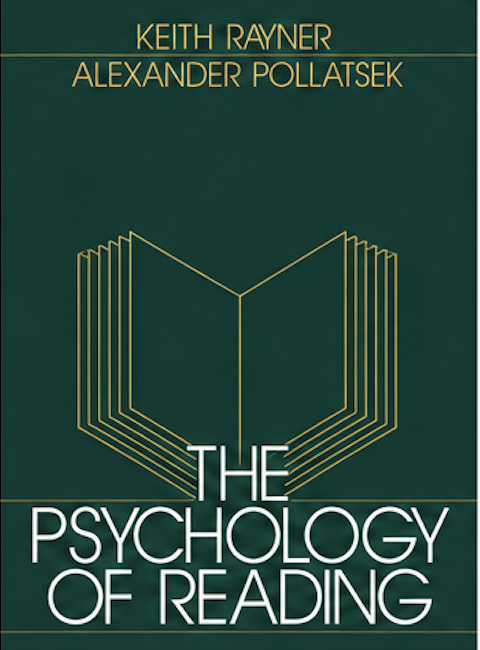
His textbook The Psychology of Reading remains one of the field's most influential references, and he edited numerous landmark volumes on reading, eye movements, and cognitive psychology.
Rayner's work has had a lasting and wide-ranging impact on literacy research, educational practice, accessibility, human–computer interaction, software design, and the development of eye-tracking technologies.
His contributions have also helped shape interventions that improve individual life outcomes, enhance social participation, and reduce long-term economic burdens associated with learning and developmental challenges.
Through a distinctive combination of methodological innovation, theoretical insight, and uncompromising scientific rigor, he established a durable foundation for the modern study of reading and visual cognition.
Rayner's methods and findings continue to influence psychology, neuroscience, education, and eye-tracking technology worldwide, ensuring that his legacy will be felt and built upon for generations to come.
Help Us Inspire a Lifetime of Learning
Keith Rayner’s groundbreaking work transformed our understanding of how children and adults read, learn, and process information. His research helped establish the scientific foundation for understanding reading development and demonstrated the importance of giving learners the tools they need to become confident, capable readers. We believe his legacy can extend beyond research and into the lives of young learners in our communities.
Your donation can help make that possible. By supporting our literacy programs, you help create engaging learning experiences that encourage children to explore, create, ask questions, and take ownership of their learning. Our programs are designed not simply to teach children how to read, but to nurture the curiosity, agency, and autonomy that allow them to become confident learners both inside and outside the classroom.
Together, we can help preserve something every child deserves: a sense of wonder about learning. Your contribution can help us provide young learners with meaningful opportunities to develop literacy skills, discover their interests, and build the confidence to direct their own learning journey. Please donate today and help us inspire children to become not only stronger readers, but self-directed, lifelong learners.